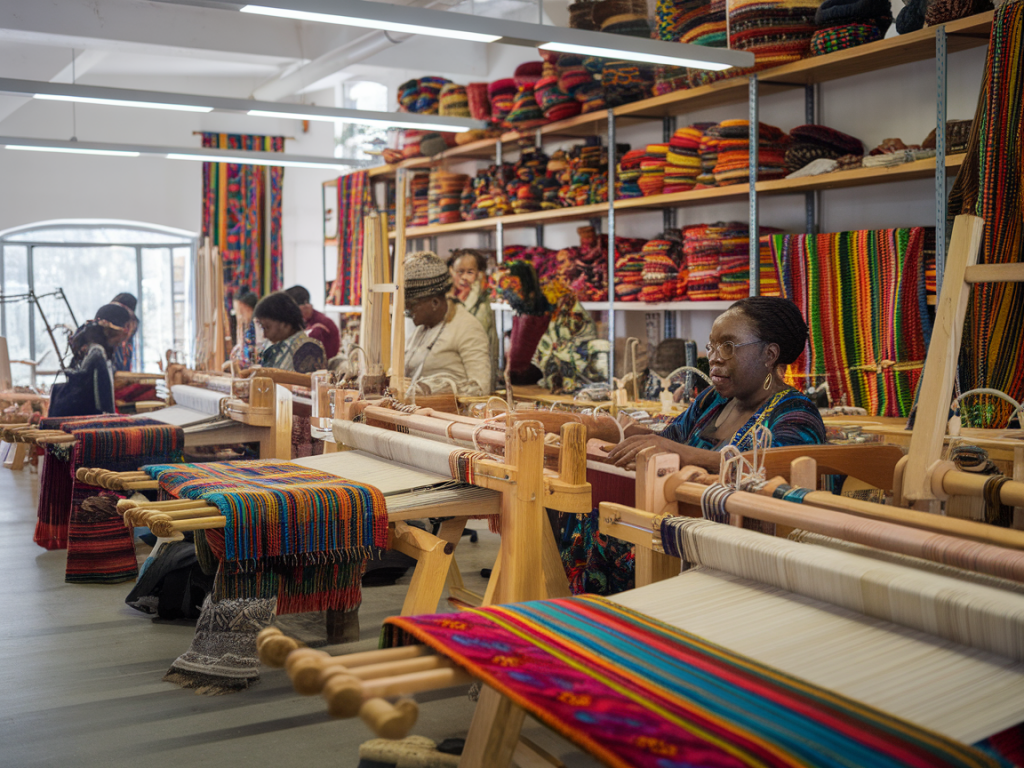
When I first began thinking about a cooperative conservation lab in Accra, I imagined a place that smelled of indigo and warm starch — equal parts archive, dye studio and social enterprise. But the question that quickly complicated that image was unavoidable: can such a lab export ethical textile expertise without commodifying ritual knowledge? As someone who watches how heritage is reframed and circulated, I’ve learned that the line between sharing expertise and vending sacred practice is thin, context-dependent and political.
Why a cooperative lab in Accra?
Accra is a hub where contemporary design meets deep textile traditions: from handwoven kente in the Ashanti region to the Adinkra symbols pressed by hand using carved stamps, to the vibrant wax prints that populate West African fashion. A cooperative model — owned and directed by the makers, conservators and cultural custodians themselves — promises a structure that can resist extractive partnerships and build local capacity for conservation, documentation and ethical export of know-how.
In practical terms, a cooperative conservation lab could:
What does “exporting ethical textile expertise” mean?
“Export” doesn’t have to mean shipping physical goods abroad. It can mean exporting best practices, training modules, consultancies and collaborative research. In my experience, the most ethical forms of export build mutual capacity rather than siphon skills. They prioritize:
For example, the lab might run accredited workshops for museum conservators from Europe, or online courses about environmental controls for textile storage, with proceeds funding local apprenticeships. It might consult for fashion brands like Vlisco or local labels such as Studio 189, but only under terms that protect sacred motifs and ensure benefit sharing.
How do we prevent commodification of ritual knowledge?
This is the core tension. Ritual knowledge — the symbolic meanings behind Adinkra stamps, the ceremonial uses of certain kente patterns, or the recipes for ritual dyes — is not ipso facto public domain. Its value is cultural and spiritual, not merely marketable. To prevent commodification, several practices are essential.
What revenue models actually work?
Financial sustainability is crucial if ethical standards are to be maintained. I’ve seen three complementary revenue streams work well in similar initiatives:
Here’s a simple table to illustrate potential income allocation:
| Income Source | Percentage (example) | Use |
|---|---|---|
| Conservation services | 40% | Operational costs, equipment |
| Training & consultancy | 35% | Apprenticeships, community stipends |
| Ethical product sales | 20% | Community funds, cultural programs |
| Grants & donations | 5% | Special projects |
Who should the lab partner with internationally?
Partnerships can bring technical know-how and market access, but they must be negotiated as equals. Useful partners might include:
I’ve seen promising work where European museums provide equipment and training while local cooperatives retain decision-making power. The key is partnership agreements that enshrine reciprocity and local governance.
What are the risks and how can they be mitigated?
Risks include cultural extraction, mission drift toward commercialisation, elite capture within the cooperative, and dependence on fickle international funding. Mitigations I’ve found effective are:
Ultimately, a cooperative conservation lab in Accra can export ethical textile expertise — but only if it is designed around the values of custodianship, consent and shared benefit. That’s not a romantic platitude; it’s a practical requirement. Exporting skills without commodifying ritual knowledge demands disciplined governance, community-led protocols and revenue models that reward preservation over appropriation. If those elements are in place, I believe such a lab could become a model for how heritage professionals and communities collaborate across borders in ways that are generous, accountable and remunerative.