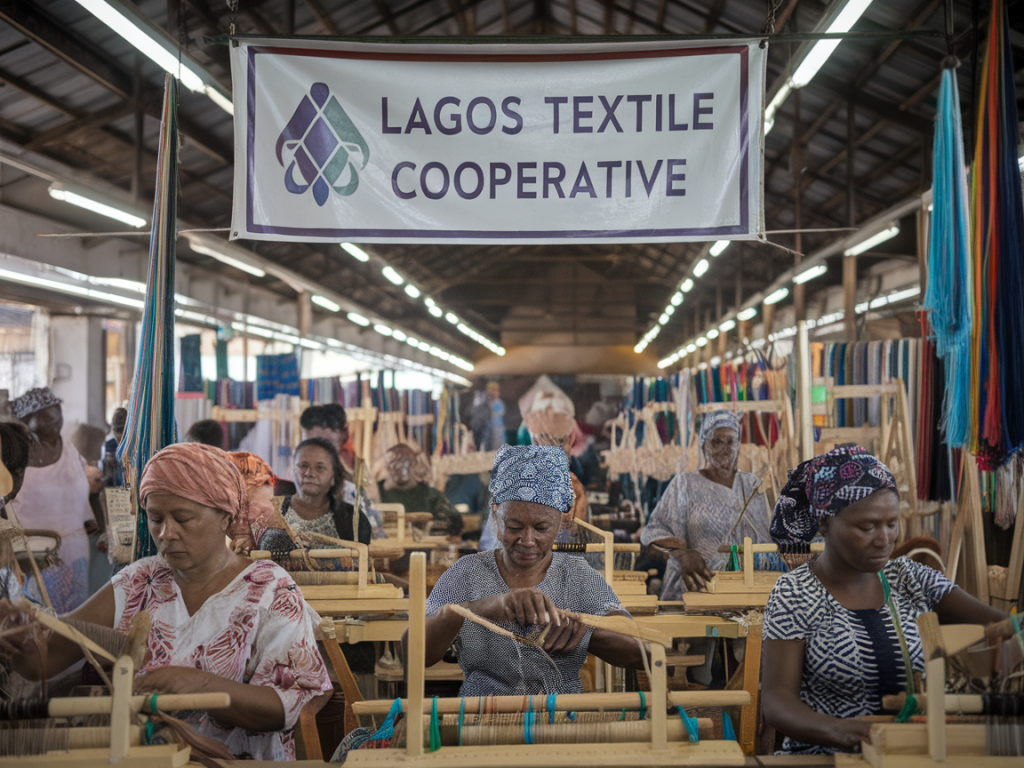
I remember the first time I held an ase thread in my hand — a slender, hand-twined cord whose colours and knots carried meanings that were whispered more than written. In Lagos markets I watched makers stitch small orders for tourists and priests knot ceremonial cords for shrine ceremonies; the same gestures, different purposes. The tension many communities face is clear: how to make a living from beautiful, portable heritage without stripping ritual authorship of its power and meaning. What governance model lets a Lagos textile cooperative export ase threads while protecting ritual authorship? I've been thinking about this a lot, talking to weavers, lawyers, curators and ritual specialists. Here’s a practical, people-centred blueprint that tries to balance livelihood, cultural integrity and legal protection.
Start with a rights-centred, layered governance structure
Any model that works has to recognise that the threads are not just artisanal products; they are nodes in a living cultural system. That means governance can’t be purely corporate. I favour a layered structure that brings together:
Each layer has distinct responsibilities and veto points. The cooperative cannot unilaterally commercialise motifs or rituals flagged as sacred by the custodial council. The custodial council does not micro-manage market pricing or logistics. The separation avoids both cultural appropriation and economic capture.
Define "ritual authorship" collaboratively
One of the first tasks is to define, in community terms, what counts as ritual authorship. Is it particular knotting techniques? Colour combinations used only in initiation? Or a complex of meanings associated with a shrine? I’ve seen projects go wrong by assuming that "design" equals "authorship." In Lagos contexts, ritual authority often belongs to named priests, lineage groups or institutions—sometimes to individuals. That has to be recorded.
This process should follow Free, Prior and Informed Consent (FPIC) principles and be documented in language accessible to the community. The statement then becomes the baseline for what can be exported in what form. For example:
Use legal tools aligned with communal traditions
Conventional IP frameworks often fail to protect communal, ongoing cultural authorship. Yet there are legal instruments we can adapt:
My conversations with intellectual property lawyers in Nigeria suggest starting with a collective trademark combined with strong contractual protocols. That provides visible market protection while the community pursues longer-term sui generis protections.
Embed benefit-sharing and cultural reinvestment
Export risk is not only appropriation of forms but extraction of value. The governance model must institutionalise benefit-sharing:
I’ve seen cooperatives adopt sliding royalties where tourists’ purchases pay a smaller fee but international wholesale triggers a larger community contribution. Transparency matters: regular accounting and community assemblies build trust.
Design a clear consent protocol for product development
Every exportable product should pass through a consent workflow:
It sounds bureaucratic, but when built into cooperative practice it becomes a competitive advantage — international buyers increasingly look for ethically verified provenance.
Use traceability and storytelling
Transparent provenance can protect ritual authorship while adding market value. Small measures work:
Storytelling matters. When buyers understand that a piece is an ethical collaboration, they’re less likely to strip it of context. Brands like Nest or Veja show how provenance narratives can be central to positioning. For ase threads, the narrative must emphasise living practice and communal authorship.
Conflict resolution and adaptability
Disputes will arise: a priest objects to a colourway, a buyer pushes for immediate scaling, or an elder’s authority is contested. Governance needs built-in dispute resolution: mediation by impartial cultural brokers, a rotating appeals panel, and the possibility to suspend commercial runs while issues are resolved.
Equally important is periodic review. Ritual practices evolve, economic pressures shift. A governance model that reflexively updates its consent lists and licensing terms every 2–3 years stays legitimate.
Quick reference: roles and responsibilities
| Body | Primary Role | Key Powers |
|---|---|---|
| Cooperative | Production, sales, worker welfare | Price setting, export logistics, product development |
| Custodial Council | Protect ritual authorship, set consent criteria | Veto on restricted motifs, define cultural categories |
| Legal Advisory Panel | Translate protocols into contracts/IP | Draft PIC/MAT, register trademarks |
| Community Trust | Manage royalties and reinvestment | Disburse funds, finance training |
Protecting ritual authorship while opening markets is never a neutral act. It demands humility, robust mechanisms and a willingness to let culture set limits on commerce. From where I stand, the model that balances democratic cooperative governance with custodial cultural authority—and binds both together with clear legal, financial and storytelling tools—gives Lagos makers the best chance to export ase threads without emptying their rituals of meaning.