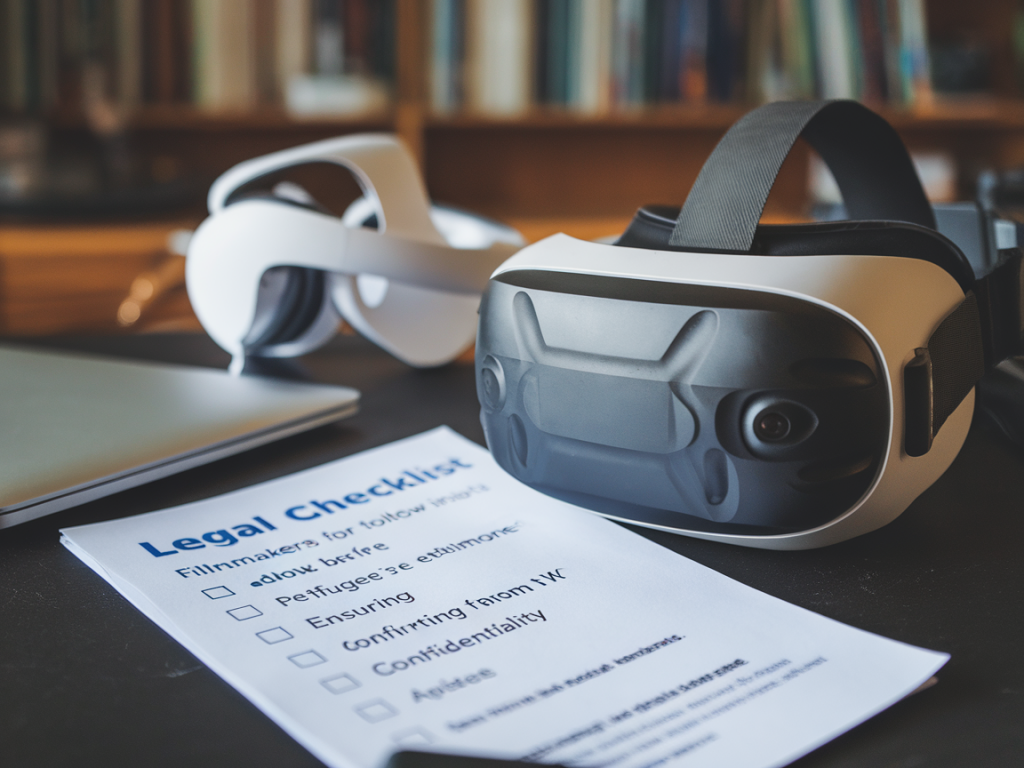
Translating a refugee’s oral testimony into a VR experience is one of the most intimate and powerful forms of storytelling I can imagine — and one of the riskiest from a legal and ethical standpoint. When you move someone’s memory into an immersive environment, you’re not only reproducing their voice and face: you’re reconstructing context, sensory detail and emotional truth. That amplifies both impact and responsibility. Below I share a practical, legally informed checklist I use and recommend to filmmakers embarking on this work. It’s written from my experience working with archives, interviewees and cultural organisations; it’s not a substitute for legal advice, but it should help you think clearly about the issues you’ll face.
Before you start: ethical framing and risk assessment
Before drafting a single release form, ask yourself why this testimony should be adapted into VR, who benefits, and what risks might arise for the person sharing their story. I always run a simple risk map: what could harm the participant if their identity is revealed; could the testimony trigger legal, social or psychological consequences; how will the piece be distributed and by whom? Document these risks and use them to shape consent language, security measures and support resources.
Obtain informed, trauma-aware consent
Consent in this context must be informed and ongoing. Oral consent alone is rarely sufficient for a project that will be widely published and potentially persistent online. Key elements to include in written consent:
- Clear explanation of the VR format: what the final experience will look and feel like, whether it includes re-enactment, CGI or spatialised audio.
- Scope of rights granted: specify use cases (festivals, education, online distribution, archival), territories and duration (limited vs. perpetual).
- Right to withdraw: explain whether and how the participant can withdraw consent, and the practical limits (e.g. impossible to retract copies already distributed).
- Risks and benefits: outline foreseeable risks (identification, reprisals, retraumatisation) and any compensation or support offered.
- Third-party sharing: detail if footage may be shared with funders, broadcasters, or archives, and include any anonymisation options.
- Language and comprehension: provide documents in the participant’s preferred language and ensure a translator or cultural mediator is present.
I always use an interview protocol that records the consent process on camera, and I provide a simple, plain-language one-page summary alongside a full legal release. Where trauma is possible, consent conversations should be paced over multiple sessions and include a mental-health referral if needed.
Identity, anonymity and data protection
Protecting a refugee’s identity can be critical. Decide early whether the subject will be identified, anonymised, or partially obscured. Technical choices in VR (blurring, avatarisation, voice modulation) must be matched with legal controls:
- Data minimisation: only collect and store what you need for the project.
- Secure storage: encrypt raw files, restrict access, and describe retention periods in your consent form.
- GDPR and equivalent laws: if you collect data from or about people in the EU/UK, comply with GDPR — lawful basis, subject rights, Data Protection Impact Assessment (DPIA) for high-risk processing (which immersive data often is).
- Anonymisation standards: fully anonymised data is harder to deanonymise in immersive contexts; get legal signoff if you claim data is anonymised.
Intellectual property and moral rights
Oral testimonies sit at the intersection of personal testimony and creative content. You need clarity on who owns what:
- Copyright in the recording: establish whether the filmmaker, the participant, or a third party holds copyright in the interview recording and in derivative works.
- Moral rights: in many jurisdictions participants retain moral rights (the right not to have their work derogatorily treated). Address how creative liberties will be taken and ensure participants are comfortable with adaptation choices.
- Music and assets: clear all music, archival photos, third-party footage and location-looking rights used in the VR environment.
- Licensing: include licensing language allowing you to create derivative interactive works, edits, translations, and to distribute across platforms such as Oculus, Steam or WebVR.
Minors, guardians and vulnerable adults
If your testimony involves minors or vulnerable adults, legal protection escalates. Always obtain consent from a legal guardian and, where appropriate, assent from the minor. Check local laws on child protection and mandatory reporting. For vulnerable adults, ensure a capacity assessment is documented and consider an independent advocate to represent their interests.
Safety, duty of care and support
Immersive recreations can be triggering. Duty of care is not just ethical — it can be a legal expectation. Practical measures I insist on:
- Pre- and post-interview briefings: explain the process and offer debriefing after recording.
- On-call support: have a counsellor or trained support worker available during and after filming.
- Content warnings: add clear trigger warnings before the VR experience and build non intrusive exit options into the app (e.g. an immediate pause/leave button).
Jurisdiction, exports and asylum implications
Refugee testimonies can have legal consequences in home countries and in asylum processes. Consider:
- Jurisdictional risk: where will the person be identifiable and subject to retaliation?
- Impact on asylum claims: could public testimony affect a participant’s current or future legal status? Advise them to seek independent legal counsel.
- Export controls and sanctions: if your work involves contributors or servers in sanctioned states, check export control and sanction regulations.
Contracts with collaborators and vendors
VR projects involve many parties — developers, sound designers, translators, distributors. Your contracts should include:
- Confidentiality clauses: NDAs for raw footage and personal data.
- Clear IP assignments: who owns code, 3D assets, and derivative works?
- Liability and indemnities: who is responsible if someone is identified and harmed?
- Security obligations: vendors must comply with your encryption and access protocols.
Clearances, archival deposits and distribution
Think lifecycle: licensing, festival screenings, educational uses, and long-term archival. Ask:
- Do consents cover future platforms? Consider specifying online streaming, VR platform stores, museum installations.
- Archive agreements: if depositing to an archive (e.g. university archive or UNHCR repository), ensure participants understand access conditions.
- Revenue sharing: if the project monetises, define compensation or profit share mechanisms explicitly.
Insurance and legal counsel
Get insurance that covers reputational risk and third-party claims. Productions working with vulnerable communities should retain a solicitor with experience in media law, data protection, and human-rights contexts. I usually work with a legal team to draft consent templates, run DPIAs and check distribution contracts across jurisdictions.
Practical templates and transparency
Use clear, modular templates: a short plain-language consent, a detailed legal release, a translator declaration, and a mental-health support worksheet. Share these with participants in advance and keep a versioned record of any changes. Transparency builds trust; I’ve found participants appreciate drafts of the final script and the option to review extracts before publication.
Finally, remember that the law is only one part of responsible practice. The legal checklist protects you and the production; ethical attention and cultural humility protect the people whose stories you are entrusted to tell. In my projects I try to centre participants as collaborators — offering editorial input, co-credits, and pathways to ownership where possible. That approach isn’t just fairer; it also makes for richer, more truthful immersive storytelling.