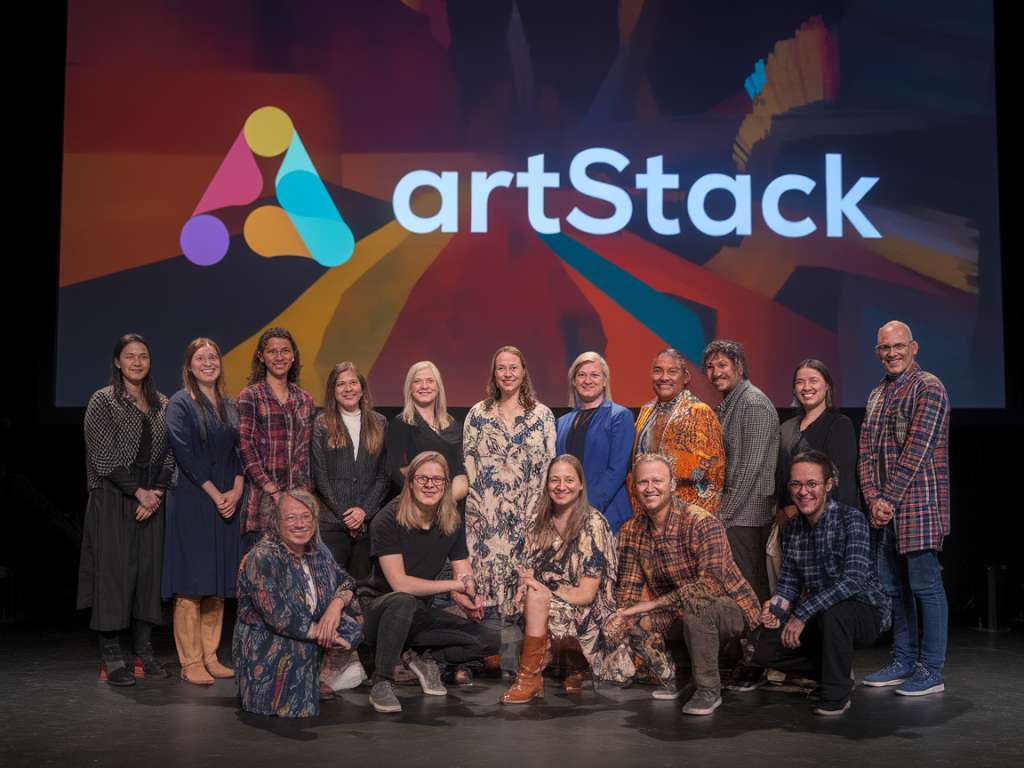
I remember the first time I saw a polished prototype from a cultural-tech startup — an elegant interface that promised to “democratise access” to remote collections. It was irresistible: high-resolution images, immersive narratives, instant discoverability. But as someone who spends a lot of time working with museums, communities and custodians, the seductive gleam of technology always hits a set of friction points. What happens when a tech startup like Artstack (or any similar platform) partners with Indigenous custodians? The question is less hypothetical than it seems: at stake are stories, rights, and the future of cultural knowledge.
The promise: visibility, revenue and audience
Startups bring things communities often need: reach, technical skills and new funding avenues. Platforms can help translate oral histories into multimedia formats, map cultural landscapes, or create virtual exhibitions that visitors around the world can explore on their phones. For many custodians, this can mean:
When done respectfully, tech partnerships can amplify voices that have long been excluded from mainstream narratives. I’ve seen initiatives where communities used digital tools to revitalise language learning, or to create virtual tours that supported cultural tourism without exposing sensitive sites to physical visitors.
The hazards: extraction, misrepresentation and loss of control
But the hazards are acute. Tech ecosystems are built on data: collection, aggregation, metadata, monetisation. For Indigenous custodians, the risks include:
Questions I ask before supporting a partnership
Whenever I advise groups or write about these collaborations I insist on asking practical, often uncomfortable questions. They should be central to any negotiation:
Models that respect custodianship
There are promising models. They tend to share a few core features: community ownership of data, co-design processes, transparent benefit-sharing, and local capacity-building. Some examples and practical approaches include:
Tech design matters — not just the business model
Design choices can reinforce or undermine custodianship. I’m interested in projects where the interface anticipates cultural protocols rather than treating them as an afterthought. That can mean:
Examples — promising and cautionary
In recent years I’ve seen both responsible experiments and worrying missteps. Collaborative digital repatriation projects that return digitised items to community-run platforms are inspiring because they prioritise control and context. Conversely, there have been cases where global aggregators scraped museum catalogues and reproduced Indigenous imagery without community consent — a clear illustration of extraction being reframed as “access”.
Startups such as Artstack can occupy a middle ground: nimble, user-focused and willing to experiment. But their agility must be matched by humility. Tech teams often underestimate the time required to build trust, the layers of consent needed, and the ethical complexity of cultural materials. Short timelines and VC pressures can push products toward fast growth at the expense of careful stewardship.
Practical steps for communities and startups
If you’re an Indigenous custodian considering a partnership, or a startup proposing one, here are pragmatic steps I recommend:
When technology is offered as a tool rather than a takeover, and when startups accept that their role is to enable rather than own, partnerships can be transformative. But this requires more than good intentions: it demands contractual clarity, culturally literate design and a commitment to long-term reciprocity. Otherwise, the shiny promise of digital visibility can end up repeating the same patterns of extraction that communities have endured for centuries.