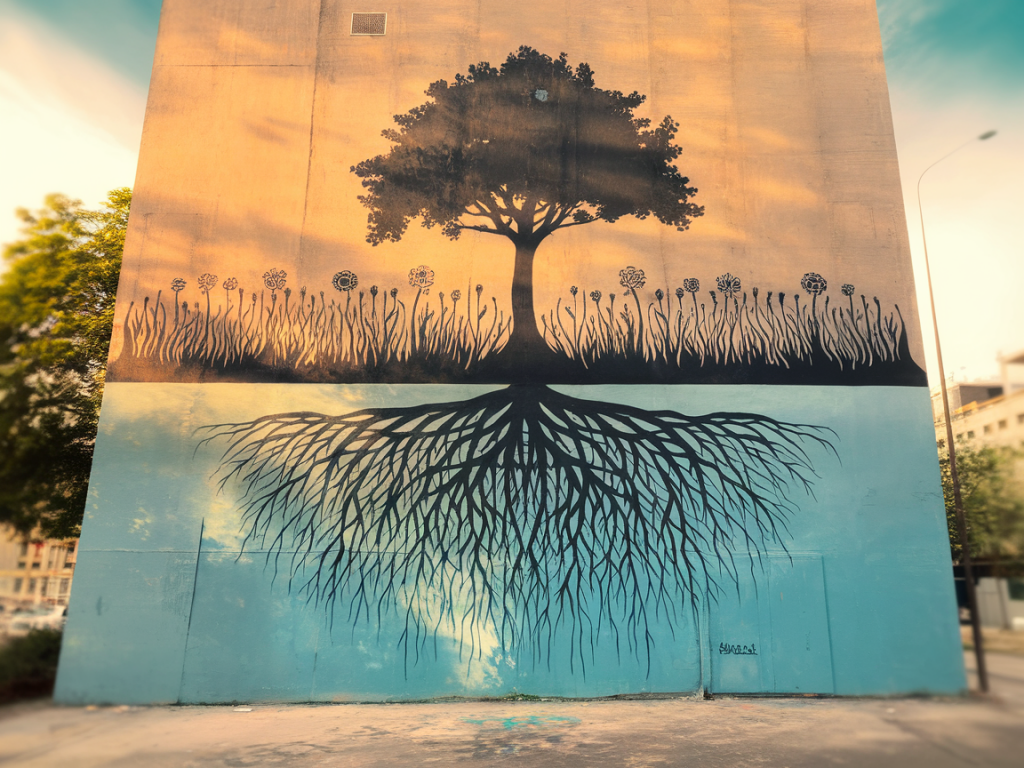
I have spent years watching cities argue with themselves over paint. A wall that one group calls an act of vandalism can be, to another, a living archive of community feeling, a landmark of identity, or a potent political statement. The friction between vandalism laws and the desire to preserve street art is not merely legalistic; it is about who gets to write a city’s visible memory, and how permanence is claimed in places that were never intended to be permanent.
Why this tension feels especially urgent now
Street art has migrated from the margins into mainstream cultural circuits: galleries, biennials, tourism trails and government-commissioned projects. Yet the legal frameworks that once treated graffiti as criminal damage remain in place. When a council enforces anti-vandalism laws, it often does so with a blunt instrument—heavily policed response, removal of murals without consultation, or simply painting over works for perceived cleanliness. At the same time, artists and communities frequently call for protection of certain pieces because they matter: they memorialise events, celebrate local figures, or anchor neighbourhood identities amid rapid redevelopment.
What makes this question complicated is that street art thrives on contradiction. Its power partly derives from being temporary, public and unauthorized. Formal “preservation” can sterilise that power, turning a living practice into a museum object. Yet leaving every mural to weather, be buffed, or be rewritten often means losing culturally significant work, especially those made by marginalised communities whose stories are already at risk of erasure.
Different stakeholders, different logics
Reconciling vandalism laws with heritage preservation requires recognising the varied rationales at play:
Understanding these different priorities is the first practical step. You can’t devise a policy that everyone accepts without mapping those interests and building mechanisms for negotiation.
Practical models that attempt the reconciliation
Several cities have developed approaches that delicately balance enforcement and stewardship. They’re imperfect but instructive.
Conservation techniques and their limitations
From a technical standpoint, preserving street art is feasible but challenging. Conservators use a spectrum of methods:
Each technique carries trade-offs. Protective coatings can trap moisture and accelerate paint loss over years. Removing a mural to a museum saves pigment but robs the work of its street-based meaning. Even documentation can never fully substitute for the way a mural functions in place: as a site of casual meetings, protest, or daily recognition.
Policy ideas that actually make a difference
From where I stand, the most promising strategies are those that combine law with process—clear legal tools paired with robust channels for local participation.
Digital preservation as a democratic tool
Digital archives are one of the least coercive ways to preserve street art. High-quality photographic documentation, 3D scans and oral-history interviews can be shared widely for free. Projects that pair these digital records with local storytelling empower communities to control narratives about their own art—without forcing a single, permanent outcome on the physical artwork.
Platforms such as Street Art Cities, community-run archives and university partnerships can amplify the reach of such documentation. Importantly, this material can function as evidence in disputes over removal: if a council claims a mural is merely “graffiti,” a well-documented archive can show its cultural footprint.
When laws should bend—and when they shouldn't
Laws against vandalism exist for reasons: unchecked damage, hate speech, and private-property harms are real. But blanket enforcement that ignores cultural context can produce cultural loss and social harm. I believe laws should be flexible enough to allow for the preservation of works that demonstrate community significance, historical value or artistic merit, while remaining firm against creations that cause direct harm or criminal damage beyond artistic expression.
That flexibility means investing in systems that can evaluate artworks transparently, rapidly and accountably. It means funding mediators, conservators, digital archivists and community liaisons. It means recognising that sometimes, the best form of preservation is not to make a mural permanent, but to ensure its story endures.
| Approach | Benefit | Downside |
|---|---|---|
| Legal walls | Reduces conflict; encourages creativity | Can feel detached from local identity |
| Protective coatings | Physical protection | May alter surface; technical risks |
| Relocation | Long-term material preservation | Loss of public context |
| Digital archiving | Accessible, low-impact | Cannot fully replace in-situ experience |
Reconciling vandalism laws with heritage preservation is an exercise in democratic imagination: how do we include ephemeral, contested cultural practices within the public care of cities? For me, the answer lies less in a single policy and more in building flexible, participatory systems that value both the right to a clean, safe public realm and the right of communities to see themselves reflected on the walls they live beside.