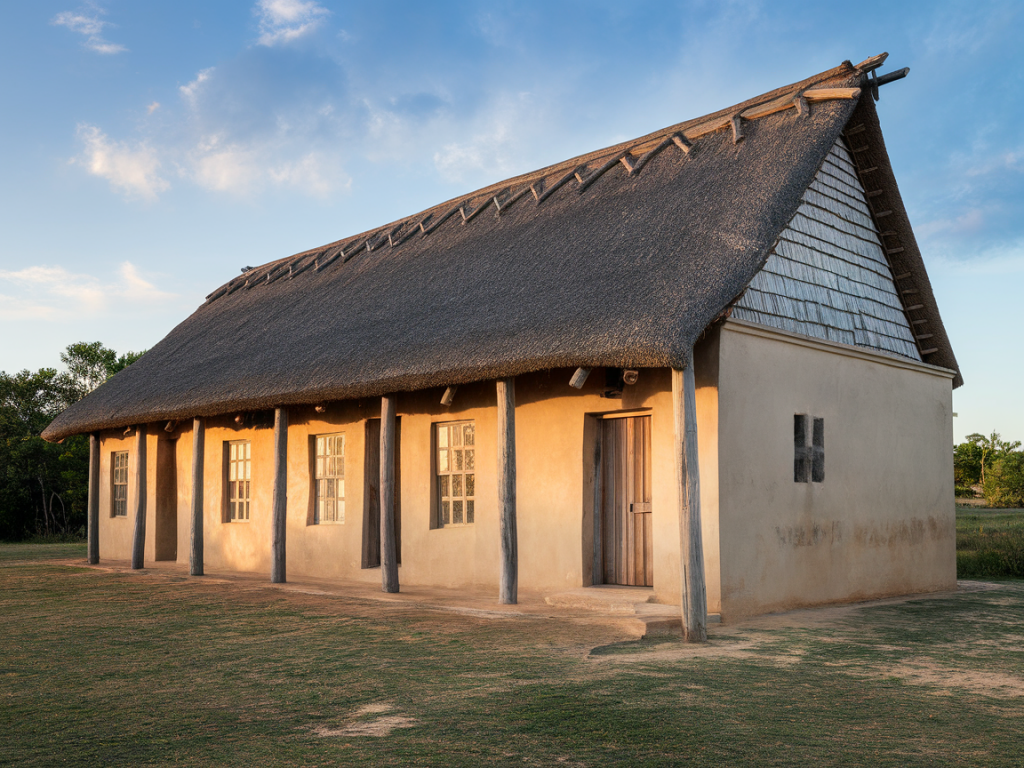
I still remember the first time I stood alone in a reading room, a stack of colonial-era glass plate negatives before me. The images were beautiful, infuriating, and utterly opaque in different measures. Like many objects of empire, photographs arrive at the archive wearing histories they didn't author, and it quickly became clear that learning to 'read' them required more than an eye for composition. It demanded a toolkit of questions — practical, ethical, archival — and a willingness to be uncomfortable about what the archive hides and reveals.
Why ask questions at all?
Photographs from colonial contexts are not neutral records. They were produced within power relations where the photographer, patron, subject and audience each had stakes. Asking structured questions helps you separate what the image shows from the stories it has been made to tell. It also keeps open the possibility that the photograph can be a source of evidence, even as you remain alert to its silences and distortions.
Basic provenance and metadata
Start with what the archive gives you. I always begin with the metadata sheet and catalogue entry, then interrogate it.
These details might seem prosaic, but they anchor interpretation. A studio name can reveal networks of production and distribution (think of colonial studios like Bourne & Shepherd in India). Accession histories can disclose whether images passed through missionary societies, commercial publishers, military collections — each pathway shapes use and audience.
Read the framing and caption
Captions and archive descriptions are interpretive acts. They might be contemporaneous, added by collectors, or later institutional gloss. When I find a caption, I ask:
For example, an image labelled simply "Natives" carries a different interpretive burden than one labelled "Women weaving in X village, 1898, collected by [name]."
Look at the physical object
Touch (with gloves when permitted), handle and inspect the photograph itself. The physicality of the medium — paper type, albumen sheen, salt print marks, collodion edges — tells you about date, distribution and intended use.
Postcards, for instance, suggest circulation among tourists and a commercial market for exoticised images. Carefully noting prints' technical qualities can also help avoid anachronistic readings.
Consider staging, performance and agency
Not every photograph labeled 'authentic' is spontaneous. Many were staged to satisfy European expectations of the 'exotic'. Ask:
When I worked with images of ritual performance from the Pacific, I often found that the gestures and costumes had been reassembled for the camera, sometimes with the help of local intermediaries. That doesn't render the image useless; it complicates it. Staging can itself be a form of cultural exchange or coercion. It's important to trace who orchestrated the scene and for whose audience.
Ask about selection, absence and representativeness
Which moments were photographed, and which were not? What is missing from the archive can be as revealing as what is preserved.
Colonial archives often privilege elite or spectacular subjects: governors, ceremonies staged for visitors, or landscapes cleared of people. If you're researching everyday practices, you may need to triangulate with oral histories, material culture or secondary sources.
Trace circulation and use
Fotos were rarely static. They were reprinted, captioned differently, reproduced in books and postcards. I always try to map an image's life beyond the negative.
Understanding circulation clarifies the image's audiences and effects. The same photograph used to advertise a colonial enterprise and to illustrate ethnographic research plays multiple roles in shaping public perceptions.
Listen for voices beyond the frame
Photographs are visual, but they exist within ecosystems of words, sounds and memories. Whenever possible, I pair images with oral histories, community knowledge, or textual sources.
Community engagement can transform a photograph from a colonial artefact into a site of remembrance, resistance and reinterpretation. It also raises important ethical questions about access, ownership and representation.
Assess legal and ethical considerations
Before reproducing or publishing an image, check legal rights and ethical obligations. Archives may have reproduction fees and copyright claims; communities may hold moral rights.
I once declined to publish a striking portrait because descendants requested it not be shared publicly; the moral choice was obvious even when legal rights were unclear. Where possible, negotiate access terms and acknowledge community protocols.
Practical checklist to keep at hand
| Question | Why it matters |
| Who made this and when? | Anchors interpretation; points to networks of production |
| Where and how was it taken? | Reveals setting, staging and purpose |
| Who is identified — or anonymised? | Shows whose identities were valued or erased |
| What physical form is it? | Indicates circulation and intended audience |
| How has it been captioned or catalogued? | Exposes interpretive frames and biases |
| What doesn't appear? | Highlights absences, silences and exclusions |
Putting findings into writing
When I write about colonial photographs, I aim to narrate complexity rather than pin the image down to a single meaning. That means qualifying statements, citing archival references, and naming gaps. If you reproduce an image on a blog or in print, include the catalogue number, archive, and any provenance notes you have. Consider adding a short 'about this photograph' textbox that summarises what you do and don't know.
Tools and references that help
Over time I built a small library of methodological aids: foundational texts by Ariella Azoulay, James Gelvin, and Ann Stoler; handbooks on photographic conservation; and digital catalogues like the British Library's India Office collections. Software tools like Tropy for organizing archive photos and Zotero for managing notes are indispensable. I also keep a field kit (gloves, pencils, a neutral grey card for colour notes) for reading rooms that allow handling.
Reading colonial photographs is seldom a linear process. It's messy, collaborative and often confrontational. But if you approach images with a clear set of practical questions — about provenance, staging, circulation, absence, and ethics — you can move from passive viewing to critical engagement. The archive won't give you all the answers, but asking the right questions makes the space for more honest histories and more careful stories.