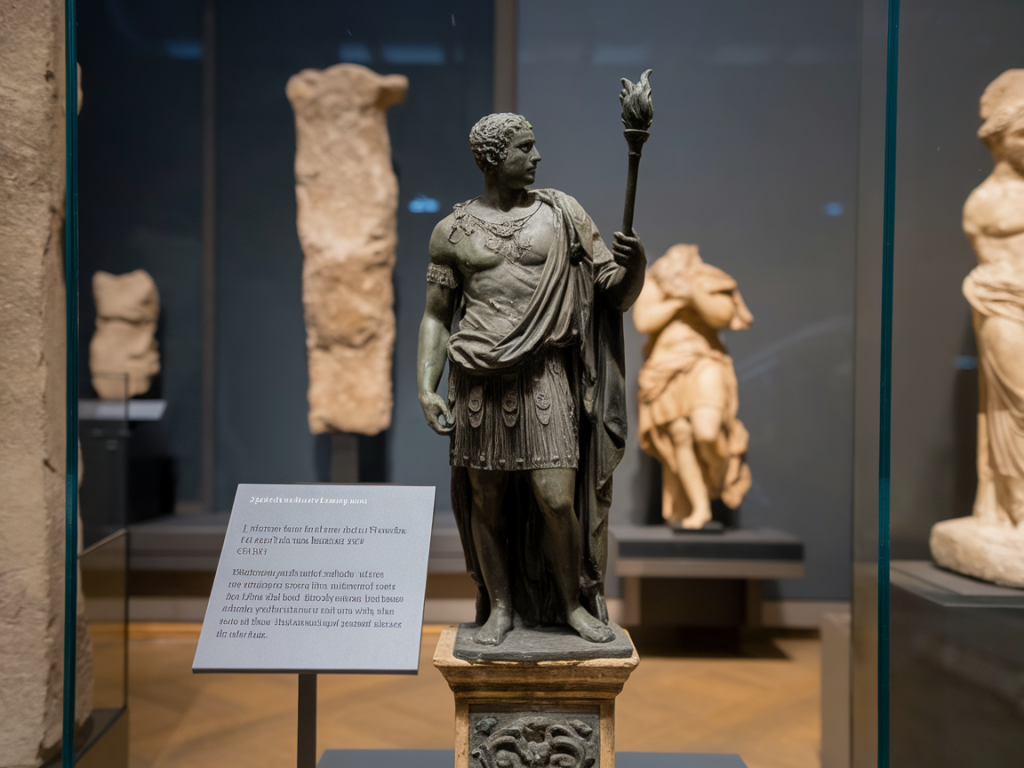
I remember the first time I stood in front of an object whose label told me almost nothing. A carved figure, beautiful and worn, with one sentence: “Unknown origin. circa 19th century.” I felt cheated—not because I wanted every forensic detail, but because that laconic line erased the lives, histories and often violence that brought that object into the gallery. Labels matter. They are the thin line between explanation and elision. They shape how visitors understand provenance, human cost and the entanglements of cultural property.
Why labels should do more than catalogue
In museums I look for orientation and honesty. Provenance is not a technicality for curators; it’s a moral and historiographical thread. A good label situates an object in time and place, yes, but it also clarifies how—and under what circumstances—it left a community, whose labour created it, and what gaps remain in the story. That doesn’t mean turning every plaque into a long essay. It means designing labels that are honest about uncertainty, clear about human relations, and generous in pointing to further resources.
What visitors actually want to know
From conversations with gallery-goers and in my own practice as a writer, three questions keep coming up:
These are practical questions, but they carry ethical weight. Visitors are not passive: they want to understand connections between objects, people and institutions. When labels ignore acquisition contexts—colonial campaigns, market purchases during conflict, or coerced labour—they flatten the past in ways that feel deliberate.
Principles for better labels
Here is how I believe labels should behave. These principles are practical, and they preserve space for nuance.
Label formats I use in the field
Practical formats help curators implement these principles. I prefer three-tiered approaches: quick label, expanded label, and digital deep-dive.
Examples of phrasing that makes a difference
Words matter. Compare these two approaches.
| Typical | Better |
|---|---|
| “Object from West Africa, 19th century. Gifted to museum in 1902.” | “Kongo power figure (nkisi), late 19th century. Collected in 1899 by Lieutenant X during military expeditions to present-day Democratic Republic of Congo, then given to this museum in 1902. Local elders recall that similar figures were taken during punitive raids—research into this object’s journey is ongoing. Community consultations are under way.” |
The second label names actions, places, dates and ongoing work. It invites accountability.
Addressing human cost without sensationalising
It’s tempting to either sanitise or sensationalise. I aim for sober, human-centred language: “acquired under duress,” “extracted during military campaign,” “purchased from a dealer linked to forced labour,” are truthful without being voyeuristic. When slavery, trafficking or violence are implicated, give a short factual sentence and direct readers to oral histories and survivor testimonies hosted by community organisations. This respects survivors and avoids turning suffering into spectacle.
Design and accessibility
Label content is only effective if it’s readable. Use clear fonts, high contrast, and language at an accessible reading level. For non-English-speaking communities, provide translations or at least summary translations for key points. For visually impaired visitors, ensure audio descriptions include provenance and human-cost information, not only formal descriptions. Museums like the V&A and the Rijksmuseum have been experimenting with extended audio guides that combine object description with archival voices—models worth following.
When labels need legal caution
Institutions often worry about legal exposure when they acknowledge problematic acquisitions. My experience suggests that transparency reduces reputational risk and often prevents larger crises. Work with legal counsel to craft accurate, non-defamatory language—“acquired from X in Y under circumstances that included military pressure” is defensible if you have documentary support. Where evidence is inconclusive, say so: “Documents indicate sale at auction; oral histories suggest removal during conflict; investigation continues.”
Templates visitors can actually understand
Here are two short templates I sometimes suggest to curators for on-wall labels:
Simple, repeatable structures make it easier for institutions to be consistent across collections.
Labels as invitations to dialogue
Ultimately, labels should be invitations—to curiosity, to critique, and to conversation. They should make visible the work still to be done and make room for voices that have been historically marginalised. A label that acknowledges human cost is not an act of moral theater; it’s a first step toward accountable stewardship.